


 LATEST NEWS:
English
09.06.2026
 10:55:00
EXTERMINATION OF SERBS ON KOZARA AND IN POTKOZARJE
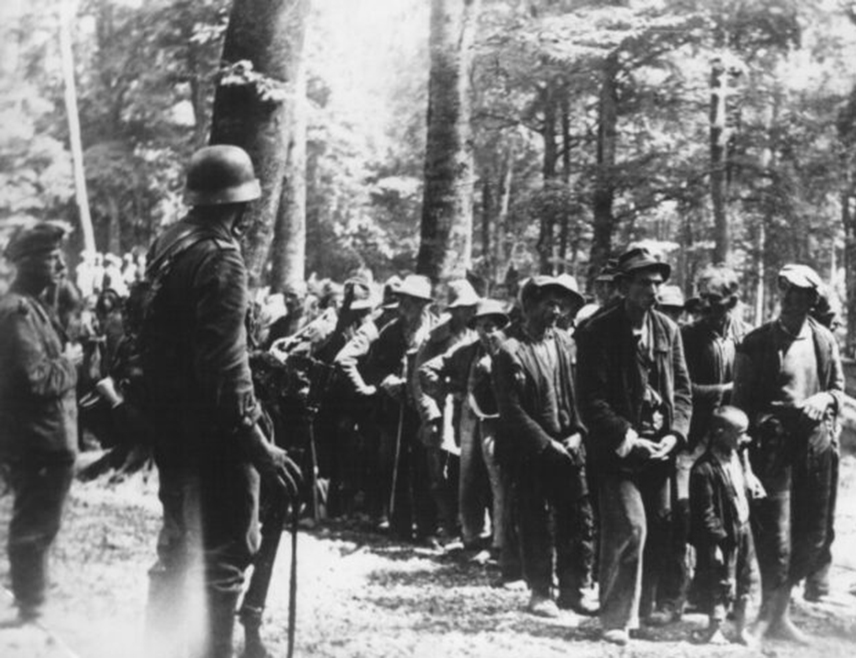
BIJELJINA, JUNE 9 /SRNA/ - The offensive on Kozara by the Ustasha and German Nazis, with the support of Hungarian fascist forces, began on June 10, 1942, which was the prelude to one of the most horrific crimes ever committed against the Serbian people.
Supported by Hungarian riverboats, 40,000 German and Croatian soldiers closed the ring around the free territory of the Kozara region. In the besieged area, a column of refugees containing about 80,000 Serbian civilians was defended by 3,500 fighters of the Second Krajina Partisan Detachment. After 50 days of heavy fighting, in which mostly Serbian partisans displayed massive heroism, and after the death of 1,700 defenders, the ring was broken in places and just over 15,000 civilians were saved, but the attackers still prevailed. The Ustasha and German Nazis captured Kozara on July 18, 1942, after 38 days of bitter fighting and great resistance by the Serbs. They burned and plundered all the villages, killed part of the population, including 540 wounded, and drove about 60,000 Serbian civilians into camps, mostly to Jasenovac. It was a planned crime - children, middle-aged people, and the elderly were killed, and the occupiers even eliminated domestic animals and livestock. AN UNEQUAL BATTLE In the spring of 1942, partisan units, which were overwhelmingly made up of Serbs who had fled their homes from the Ustasha, liberated Bosanski Petrovac, Drvar, Glamoč, and Prijedor in central and western Bosnia. Then, on May 20, the First Krajina Brigade was founded. The free territory extended from the Sava River to the Kozara and Grmeč mountains. German forces, with the large participation of the Ustasha and Home Guard /domobrani/, organized an attack on Kozara as the most active focal point of resistance. The Serbs of Kozara and the partisan forces were attacked by 11,000 officers, non-commissioned officers, and soldiers of the Wehrmacht, as well as 20,000 Ustasha and Home Guards, while the Hungarians participated with five gunboats of the river flotilla. The partisan formation on Kozara - the Second Krajina Partisan Detachment - numbered about 3,000 soldiers but recruited reserves from 60,000 civilians in the free territory. BREAKTHROUGH AND SUFFERING The attack began on June 10, and the systematic pushback and exhaustion of the defenders started. The defense, very successful at first, began to falter after about ten days due to losses, fatigue, and a lack of ammunition. Faced with the impossibility of further resistance, the fighters of the Second Krajina Detachment decided to break out of the encirclement on July 3, 1942, in the southwestern part of Kozara, 15 kilometers east of the village of Međuvođe, in northwestern Bosnia. A significant part of the Detachment and a portion of the refugee column of several thousand civilians broke through all the lines of the encirclement. LIQUIDATIONS, ARSONS, TRANSPORTS TO CAMPS... The attackers closed the ring at dawn and started "combing" Kozara. On the very first day, the partisan hospital was liquidated and about 300 wounded were killed. Over the next two weeks, German forces and units of the fascist Independent State of Croatia brutally dealt with the Serbian population that failed to pass through the ring. A number of people were killed on the spot, while the majority were transported to camps. There was an obvious intention to completely empty the area of its population. About 68,000 inhabitants were deported to camps. The total number of civilian victims on Kozara and in Potkozarje was 35,000 people, the vast majority of whom perished exactly in this operation and during the internment in the camps that followed. THE TRAGEDY OF SERBIAN CHILDREN The fate of almost 20,000 Serbian children, the little ones from Kozara, who were killed and exhausted by hunger and disease, is especially tragic. One part was saved and given for adoption to Croatian families, and humanitarian Diana Budisavljević managed to rescue between 10,000 and 12,000 Serbian children from the camps. During the Ustasha-German criminal offensive on Kozara and in Potkozarje, about 35,000 people were killed and perished. The genocide on Kozara and in Potkozarje, during World War II and the Ustasha Independent State of Croatia, is one of the greatest crimes against Serbs in general and can be considered a Serbian Wailing Wall.
English
1 hour from now
DODIK: REPUBLIKA SRPSKA WILL NOT VOTE IN EU ACCESSION REFERENDUM
MOSCOW, JUNE 13 /SRNA/ - Republika Srpska will not vote in a referendum on EU accession, which irritates Brussels, whose politics is directed at suppo...
1 hour from now

IMMIGRATION STATUS PREVENTED NIGERIAN LOTTERY WINNER FROM COLLECTING PRIZE MONEY
ANCONA, JUNE 13 /SRNA/ - Nigerian citizen Imagbe Ehizomvengi /36/ in Italy won EUR 500,000 on an instant scratch ticket, but he could not collect the...
18 minutes ago
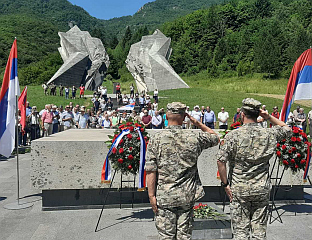
DODIK: BATTLE OF SUTJESKA CONFIRMS ANTIFASCIST TRADITION OF SERB PEOPLE
BANJA LUKA, JUNE 13 /SRNA/ - The Battle of Sutjeska was not only a military battle, but a struggle for the right to life, dignity and the future of th...
24 minutes ago

BRUSSELS IRRITATED BY REPUBLIKA SRPSKA, WEST WANTS IT ABOILSHED
MOSCOW, JUNE 13 /SRNA/ - SNSD leader Milorad Dodik said that the West wants to abolish Republika Srpska in order for it to stop interfering and "irrit...
44 minutes ago
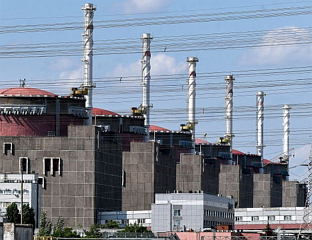
KYIV FORCES HIT AUXILIARY BUILDING AT NUCLEAR POWER PLANT
ENERHODAR, JUNE 13 /SRNA - RIA Novosti/ - Ukrainian armed forces attacked the transport workshop of the Zaporizhzhia Nuclear Power Plant, damaging thr...
1 hour ago

OSTOJIĆ: FOR MORE THAN 20 YEARS, ONE GOAL HAS REMAINED THE SAME - REPUBLIKA SRPSKA
BIJELJINA, JUNE 13 /SRNA/ - Aleksandar Ostojić, head of the SNSD club in the Bijeljina City Assembly, said that one of the most important messages fro...